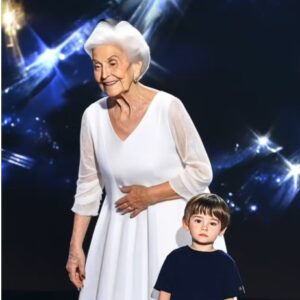
“I Will Always Love You” is a timeless and evocative ballad, originally composed and performed by country music legend Dolly Parton. This beloved song, first appearing on her 1974 album “Jolene,” quickly became a cornerstone of Parton’s musical legacy. Written as an intimate farewell to her mentor, Porter Wagoner, the lyrics embody gratitude, bittersweet emotion, and sincere love, capturing Parton’s heartfelt journey toward personal independence.
Though widely assumed to be of purely country origins, the song ultimately transcended its roots, becoming an internationally cherished classic when Whitney Houston famously covered it in 1992 for the movie “The Bodyguard.” Houston’s powerful rendition introduced the track to an entirely new global audience, forever transforming the song into a cultural phenomenon.
Musically, Parton’s original version is gentle and deeply personal, characterized by heartfelt simplicity. Her emotional delivery is accentuated by subtle instrumentals, allowing the sincerity of the lyrics to resonate clearly. In contrast, Whitney Houston’s interpretation brought grandeur to the song, featuring dramatic orchestration and soaring vocals that showcased her remarkable vocal talent and emotional depth.
The lyrics themselves express profound love and grace in parting, emphasizing respect for the needs and happiness of a loved one. Parton’s poetic language gently acknowledges the pain of separation while highlighting an unconditional wish for joy, kindness, and fulfillment in the future. This universal sentiment has enabled the song to transcend generations, cultures, and genres, touching hearts around the world.
Since its release, “I Will Always Love You” has enjoyed widespread acclaim and numerous cover versions, none more impactful than Houston’s chart-topping rendition, featured in the 1992 film “The Bodyguard.” Houston’s performance at the 1994 Grammy Awards remains iconic, symbolizing the song’s immense emotional power and universal appeal.
The legacy of “I Will Always Love You” extends beyond mere popularity; it stands as a testament to Dolly Parton’s songwriting brilliance and emotional depth. Its continued relevance highlights humanity’s universal longing for connection, closure, and the enduring power of love. Through both Parton’s tender original and Houston’s unforgettable cover, the song remains an everlasting tribute to the beauty and complexity of human relationships, forever encouraging us to cherish those we hold dear.