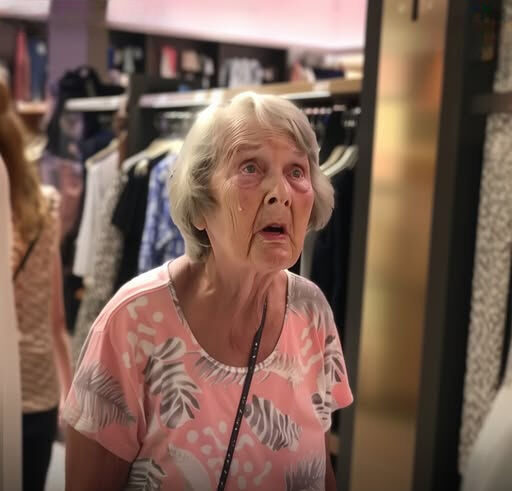
When I walked into the living room that day, I already sensed something was wrong. My son, Henry, stood there stiffly, hands in his pockets, eyes glued to the floor. He didn’t look up when I called his name, and I knew—instinctively, in the way mothers always do—that this wasn’t just a casual visit.
“A nursing home?!” I repeated, as if saying it aloud might make it less real. My voice trembled, and I felt the air pulled from my chest. “But Henry, I don’t need extra care. I can still manage on my own. I’m not sick, I’m not senile, and I’m definitely not ready to sit in a rocking chair staring at the walls.”
He shifted his weight awkwardly and finally met my eyes. “Mom, you don’t get it. We have no other choice.”
I looked around the small but tidy home I had lived in for twenty-two years. Everything had its place: the bookshelf alphabetized, the kitchen sparkling, even my knitting basket near the armchair untouched since last night. No signs of decay, no spills or neglect. Just a woman who lived alone and kept her life in order.
“Will you visit me when I’m there?” I asked quietly. “Not every day… just on weekends maybe?”
“Sure, Mom,” Henry said, giving me that rushed, corporate smile he used with clients. “No doubt about that.”
That was the last time we spoke face to face for nearly three years.
The nursing home he chose for me was neat, respectable, and smelled strongly of antiseptic and overcooked carrots. I tried to adjust. I played along, joining the crafts circle and bingo nights, nodding politely at other residents as they repeated the same stories over and over. But I never felt like I belonged there. I didn’t need assistance with daily life—I needed a sense of purpose. Something real. Something more.
Henry visited once that first month. He brought flowers and talked about his job. He didn’t ask about me. Then his visits tapered off—every few months, and eventually, not at all. I stopped keeping track of the dates.
I would have spent the rest of my days waiting quietly, like so many others did, had it not been for Nora.
Nora was a retired lawyer who’d broken her hip and was temporarily admitted for rehab. She was sharp as a tack and couldn’t stand being treated like a fragile old lady. We bonded over a crossword puzzle and became fast friends. It was Nora who gave me the courage to start asking questions.
“Why are you here, really?” she asked one night over lukewarm tea.
“My son thought it was best. Said there were no other options.”
“And you believed him?”
I didn’t answer. I didn’t have to.
That night, I couldn’t sleep. I sat by the window, watching the moonlight cast shadows over the courtyard, and realized I’d been waiting for something—permission, maybe—to live again.
Within a month, Nora and I had a plan.
She helped me dig into some paperwork—legally, of course. I found that Henry had power of attorney over some of my finances, and had been using my retirement savings to fund a property investment. I didn’t feel angry. I felt hollow. All I had ever done was try to raise a good son. I never expected a return on that investment, but I didn’t expect betrayal either.
With Nora’s help and the support of a social worker named Diane, I legally revoked the power of attorney, arranged for my affairs to be managed independently, and moved out. Not into another home—but into a quiet cottage that belonged to Nora’s niece. It was nestled by a lake, just far enough from the city to feel peaceful but close enough to have everything I needed. I adopted a dog. I planted tomatoes. I joined a book club and started tutoring local kids in reading. For the first time in years, I felt human again.
Two years passed.
One sunny Saturday afternoon, I was on my porch trimming dead leaves from my herb pots when a car I didn’t recognize pulled into the gravel driveway. I didn’t move at first. I wasn’t expecting anyone.
Then I saw him. Henry.
He looked older—thinner, even. And nervous.
“Mom?” he said hesitantly, stepping out of the car like he wasn’t sure it was really me.
I stood slowly, brushing the dirt from my gloves. “Henry.”
His eyes welled up. “I—I went to the nursing home. They said you left. They gave me this address.”
I didn’t say anything. I wanted him to talk. To explain. He walked closer, then stopped, noticing the dog curled up beside my chair.
“You look… good,” he said, almost surprised.
“I feel good,” I replied. “Much better than I ever did in that place you left me.”
He winced. “Mom, I’m sorry. I didn’t realize how bad it was. I was just trying to… manage everything. Work was stressful, I was newly engaged, and I thought it would be best.”
“You stopped visiting.”
“I know.” He looked down, ashamed. “My fiancée, Lisa, she asked about you. Said she wanted to meet you before the wedding. When I told her about the nursing home, she asked when I’d last seen you. I didn’t have a good answer. That’s when I knew I’d messed up. Big time.”
I studied his face. The boy I raised was still there, somewhere beneath the layers of ambition and neglect. And maybe now, he was finally waking up.
“I didn’t disappear, Henry,” I said gently. “I just stopped waiting for you to remember me.”
He sat on the porch steps. “Can I come in?”
I hesitated, then nodded. “For tea. But you’ll have to brew it. I’m off duty today.”
He laughed, and it was a real, warm laugh I hadn’t heard since he was a teenager.
Over chamomile and lemon, we talked—not just about the past, but about the future. He told me he was making changes, stepping back from work, planning a quieter life. He asked about my days, and this time, he listened.
Weeks turned into regular visits. He brought Lisa, who hugged me like we’d known each other forever. They asked me to come live with them, but I declined with a smile.
“I’m happy here,” I told them. “But you’re welcome any time.”
Henry made good on that. Every Sunday, without fail, he showed up. We’d cook together, walk the dog, or sit by the lake in silence. It was enough.
I had lost years, yes. But I had gained something else—a life I chose for myself, and a second chance at something even rarer: a renewed bond with the person I once thought I’d lost.
Sometimes, it takes letting go to be found again.
If this story moved you, share it with someone who needs a reminder: it’s never too late to make things right. 💬❤️