In a care home, you develop a rhythm. Most days, meals and conversations merge. Last week with Mr. Bernard was one of those unforgettable times.
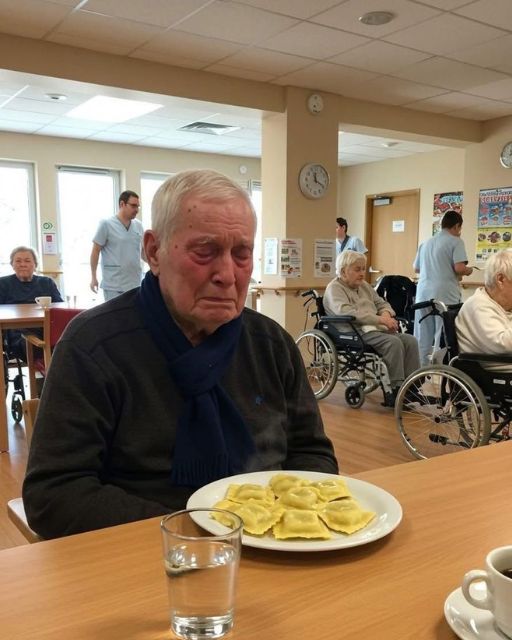
I was serving lunch plates to everyone in the dining room as usual. Mr. Bernard was alone by the window, looking exhausted, but I didn’t notice. I placed his favorite ravioli on the table and wished him a good meal as always.
He hesitated, starring at the meal, then crumpled and cried. I worried, fearing the dish was bad or I had angered him. After I asked whether he was okay, he took a breath.
No, it’s not the food, he responded, shaking his head and smiling through tears. It’s just… You resembled my wife. Even when exhausted, she brought me my favorite dish every Sunday. I haven’t been cared for like that in years. Being remembered matters more than pasta.”
I had no idea how to respond. I was doing my job when I saw his deep pain. Always quiet and polite, Mr. Bernard spoke few words. However, something cracked inside him and he let it out.
Sitting beside him, I didn’t know what to say but felt his feelings. I had heard many stories from locals about lost lovers and family across the country or world, but this was different. This person had loved intensely and for a lifetime, but now had no one to love with.
“It’s been a while, right?” Finally, quietly, my voice was softer than planned.
His tears became muffled sobs as he nodded. “47 years. She was my everything, and I’m here. Alone.”
Silence stretched between us. I could sense his grief in every word, but I wondered how much was pride—his unwillingness to let go of the past—and how much was time’s awful weight. He wasn’t the only one in that room who felt lonely. Many people were like that, silently drifting into life, waiting for the next visit, phone call, or—most often—nothing.
I sat with him, letting quiet speak more than words. Finally, I softly touched his hand to calm him. I couldn’t heal his pain with words, but I could ease his loneliness with my presence.
Over the next few days, I monitored Mr. Bernard. I wasn’t worried, but his mealtime demeanor and daily withdrawal seemed odd. I wondered if his anguish was affecting him physically. Maybe it wasn’t sadness. It may have been something deeper I couldn’t perceive.
On Friday, after giving him lunch, I witnessed something odd. He sat there, apparently hypnotized by the platter. He didn’t answer when I inquired if he was okay this time. I gently touched his shoulder to wake him up, but he didn’t move.
My heart raced. After calling the nurse, Mr. Bernard was taken down the hall to the emergency department in minutes. He had a slight stroke. While the physicians informed us it wasn’t life-threatening, we knew his time was approaching and needed to prepare.
Guilt overcame me. Not seeing the signals earlier. I didn’t realize his emotions may effect his health. I should have paid more attention. However, I couldn’t change it now. I could only wait, pray, and care for him.
Mr. Bernard asked about his wife first thing in the morning. “Did she visit?” he questioned faintly, scanning the room for her.
I held his hand gently while sitting near him. Mr. Bernard, no. We are here, but she is not. You matter to us. Your family cares.”
He smiled briefly, but his eyes were sorrowful. “I wish I could have told her my love before it was too late.”
His remarks impacted me more than expected. His grief went beyond losing his wife. It was about regretting not saying the things that mattered most, which we forget until it’s too late.
That’s when I realized the truth we all know but ignore. We overlook time. We let our days pass, thinking there will always be more time to fix things, express our sentiments, and show affection. Time doesn’t wait. No one stops it.
As Mr. Bernard recovered, I spent more time with him as a caregiver and listener. I didn’t give him all the proper answers or pretend to cure his heart. But I could help him accept his lot. I wanted him to feel not alone.
In the weeks that followed, I noticed something odd at the nursing home. More residents told me about their regrets, lost loves, and families. It was odd that not simply the elderly sought comfort. Staff members also shared their forgotten experiences, burdens, and dreams.
Mrs. Jenkins, a forty-year high school teacher, had never mentioned her love of painting. Tim, the orderly, wanted to establish a business but was terrified to try. Linda, the nurse, couldn’t let go of her shattered marriage. All of them opened up and found the courage to communicate their concerns and fears, just like Mr. Bernard had done unexpectedly.
I realized Mr. Bernard wasn’t the only one who needed that lesson to love and live now. We all did. We waited for the “right moment” to be honest, forgive, and love unconditionally. Unfortunately, there was no right time. Present moment.
I decided then. I started reaching out to residents more, listening more, and giving them space to tell their stories without judgment. I didn’t want anyone to wait to voice their feelings.
Mr. Bernard improved. His health slowly improved, but his spirit changed more. He told anecdotes about his wife and their lives together. He told me about their first date, honeymoon, and young parenting. He was honoring the past, keeping her memory alive, and finding a way to carry her with him as a source of love, not grief.
Call came a few months later. It came from Mr. Bernard’s long-estranged daughter. She wanted to reconnect after hearing him open up and recover. Her visit was imminent.
I saw Mr. Bernard’s eyes light up at the news. I realized then that sometimes the best gift we can give someone is our willingness to listen—to hear what’s left unsaid and let them heal on their own time.
Their reunion was amazing. It seemed like all the years of alienation vanished in an instance, replaced by forgiveness, understanding, and long-buried love.
Never wait to express your true feelings. Nothing is certain, thus time is valuable. Don’t delay saying or doing things. Now do it.
Please tell someone who needs to hear this.